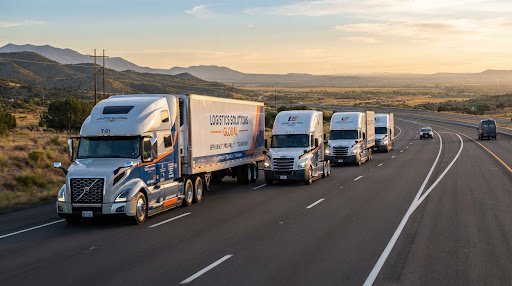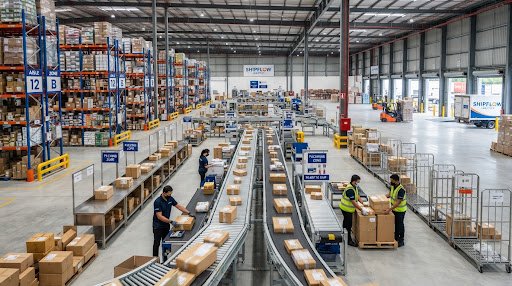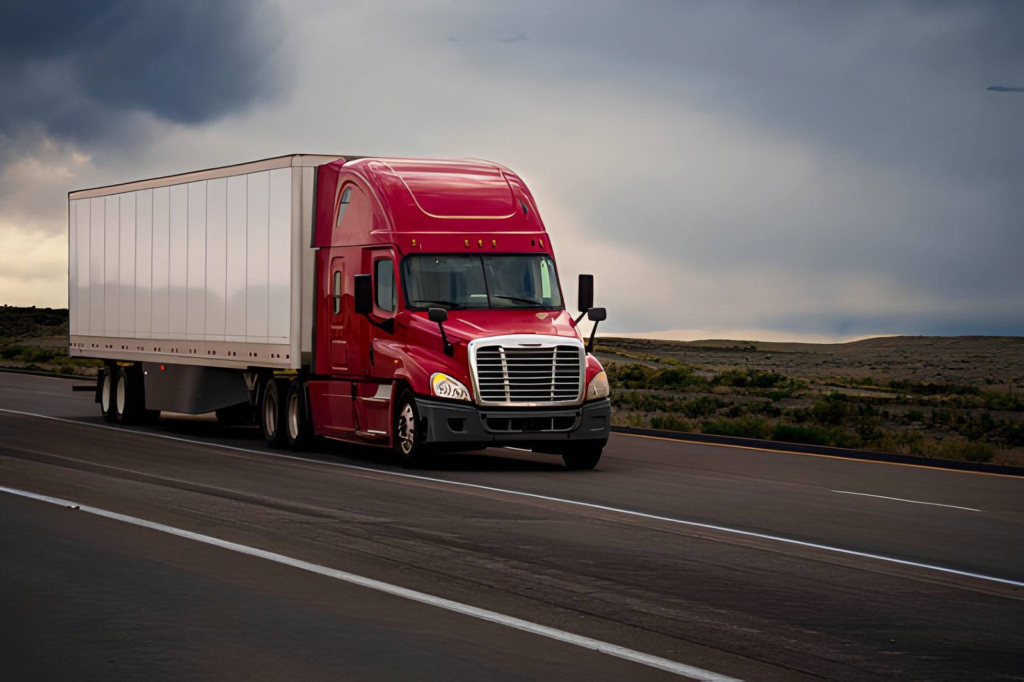
Choosing the right transportation solution starts with understanding the shipment. Two common options are full truckload (FTL) and less-than-truckload (LTL), each suited to different freight requirements.
What Is FTL?
Full truckload transportation is typically used when a shipment requires most or all of a truck’s available capacity. Freight generally moves directly from pickup to delivery with fewer handling points.
FTL may be considered when:
- The shipment requires substantial truck capacity
- Direct transportation is preferred
- The freight is time-sensitive
- Reducing handling is important
What Is LTL?
Less-than-truckload transportation is designed for shipments that do not require an entire truck. Freight can share available capacity with shipments from other customers.
LTL may be considered when:
- The shipment is smaller
- Full truck capacity isn’t necessary
- Flexible transportation is preferred
- A right-sized transportation solution makes sense
FTL vs. LTL
| Factor / Attribute | Full Truckload (FTL) | Less-Than-Truckload (LTL) |
|---|---|---|
| Capacity Allocation | Dedicated truck capacity | Shared truck capacity |
| Shipment Profile | Larger shipments that may require most or all of a truck’s available capacity. | Smaller shipments that do not require an entire truck. |
| Handling Points | Generally fewer handling points (dock-to-dock) | May involve intermediate cross-dock handling |
| Transit Structure | Direct transportation, scheduled linehaul | Consolidated network routing, flexible delivery windows |
Which Option Is Right for Your Shipment?
The right transportation approach depends on factors such as shipment size, timing, freight characteristics, pickup and delivery requirements, and available capacity.
If you’re unsure which service fits your shipment, our team can review your requirements and help you determine the appropriate transportation approach.